

Old Masters in a New Era: Digital Authentication Methods
 • Jun 11, 2026
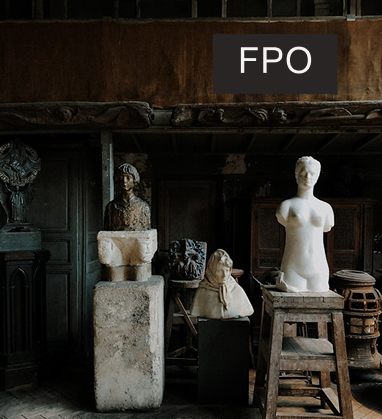
A collector's private residence, photographed for this series on the integration of living with art.
The relationship between the art market and its collectors has never been static. Over the past two decades, we have witnessed a fundamental transformation — one that has moved collection-building from a pastime of the privileged few into a sophisticated, data-informed discipline pursued by a far broader range of participants.
When we founded this practice in 2004, the prevailing model was simple: attend the major auction houses, cultivate relationships with a handful of dealers, and rely on instinct honed over years of looking. The information asymmetries were significant. Prices were opaque. Provenance research was laborious and often incomplete.
"We help collectors build and refine exceptional collections with clarity, discipline, and confidence — by combining deep market access, independent expertise, and focused execution."

Ceramics from the collection of a European private collector, sold privately in 2025.
The Shift Toward Private Transactions
One of the most significant structural shifts has been the steady migration of serious collecting activity away from the public auction room. Private sales — conducted through dealers, advisors, and direct collector-to-collector channels — now account for a substantial portion of the market at the upper end.
This trend reflects a broader maturation. Sophisticated buyers and sellers increasingly value discretion, certainty of execution, and the ability to conduct proper due diligence without the compressed timelines of auction.
Looking Forward
The collectors who will build the most enduring and rewarding collections over the next two decades are those who approach the market with patience, rigour, and a willingness to be contrarian when the evidence supports it. The noise has grown louder; the signal, for those able to distinguish it, remains as clear as ever.